Raising Children Without Raising Your Voice
Raising Children Without Raising Your Voice
Parenting lessons from a hundred-year-old book on human behaviour
A reflection on Influencing Human Behavior by H. A. Overstreet (1925)
Dr. Shafeeq Ahmed
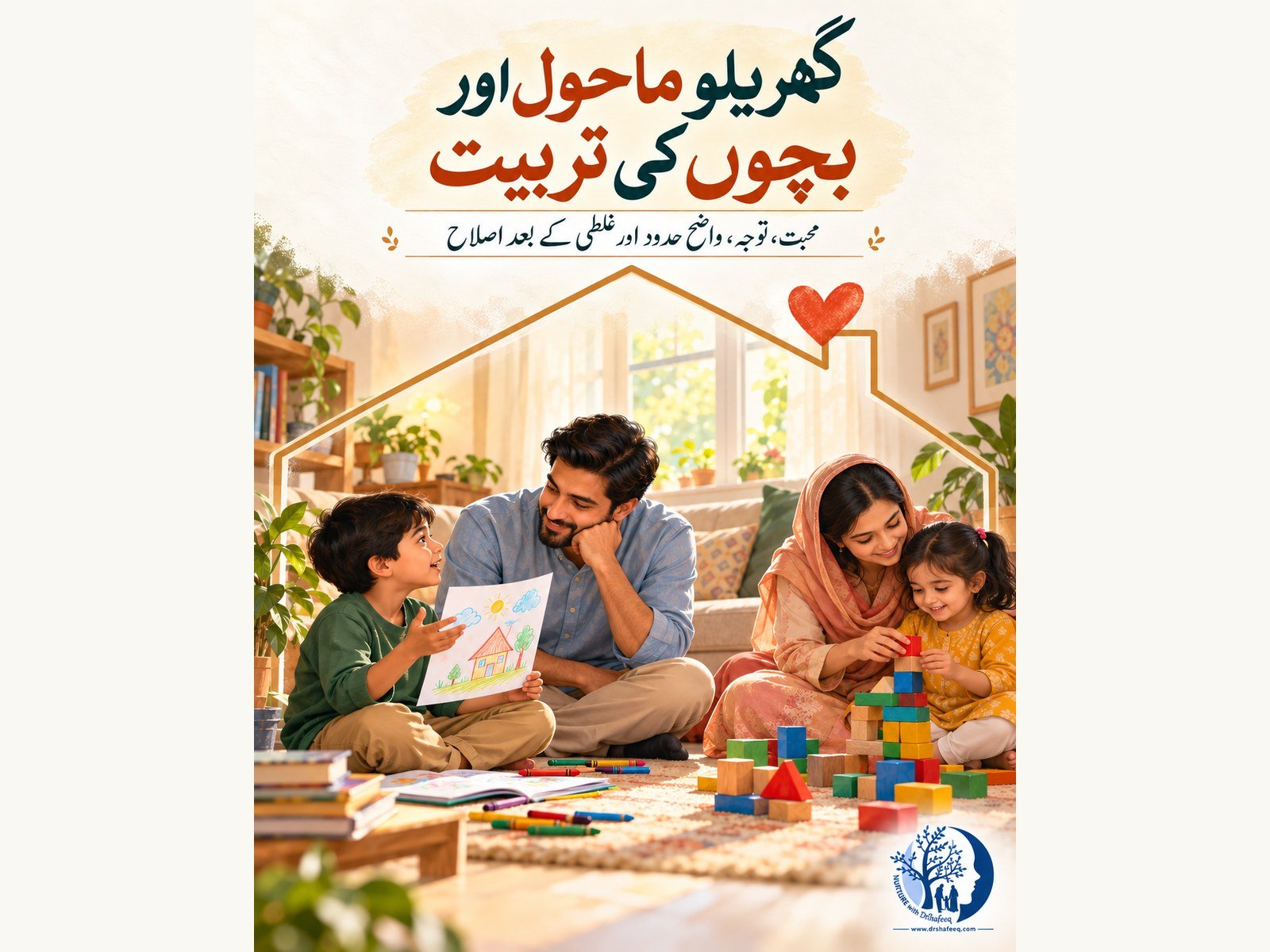
How many times have you said it today? Put your shoes on. Finish your homework. Get off the phone. We repeat, we remind, and we raise our voices, and still our children seem not to hear. Nearly a century ago, the American educator Harry Allen Overstreet offered an answer that every parent today can use. Influence, he argued, is not a mysterious gift. It is a skill, built on two things we can all learn to work with: attention and habit.
Children become what they attend to
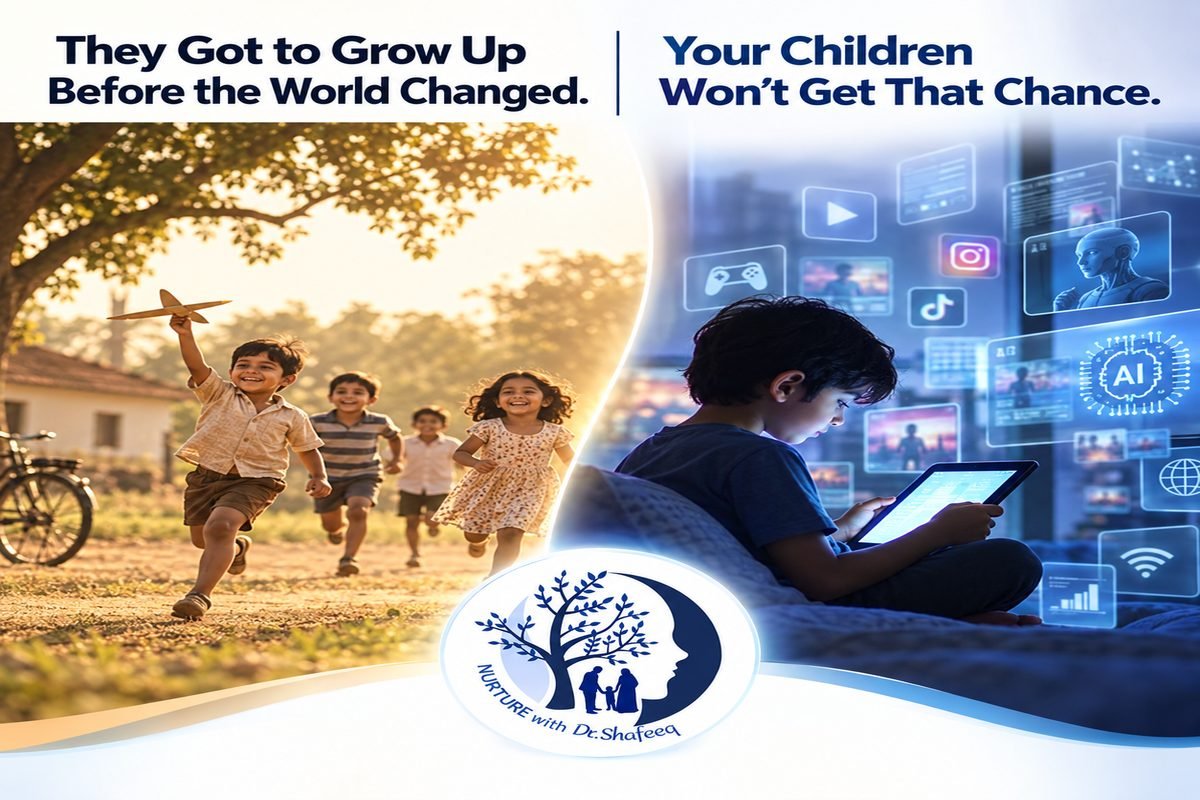
Overstreet believed that what habitually holds our attention shapes what we do. For parents, this is a powerful truth. If a child's attention is filled with screens, it is screens that will shape the child. If we want different behavior, our first task is not to scold but to give them their attention somewhere better to go.
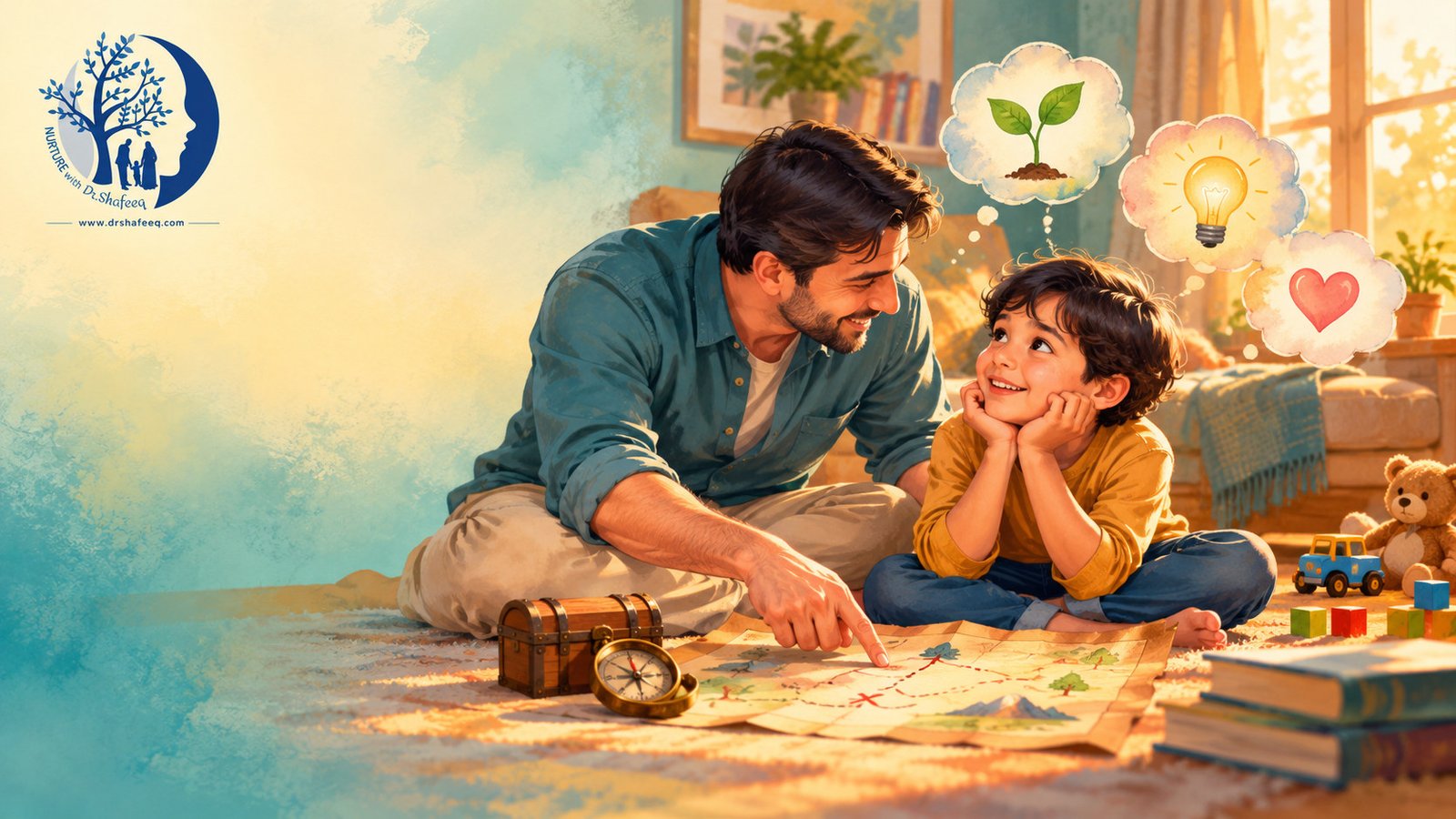
Attention also needs movement. A long, flat lecture at the dinner table invites the mind to wander. So Overstreet suggests the chase: turning a task into a little adventure with a goal and a touch of suspense. Tidying the room becomes a race against the timer. Reading becomes a mystery to solve before bedtime. Children are not lazy listeners; they are simply wired to follow what moves.
Your mood becomes their mood.
One of his most human observations is that we radiate more than we speak. Our tone, posture, and expression invite matching moods in others. Children are the most sensitive receivers of all. When we arrive home, tense and hurried, the house grows restless. When we enter calm and warm, the children often settle with us. Before we correct a child's behavior, we have already set the weather in the room.
Ask, do not command.
Overstreet advised opening with points the listener can easily agree with. Early agreement keeps people open, while an early no makes them brace and defend. Instead of starting with “You never study,” try “You want to do well in your exams, don't you?” and build from there.
He also urged replacing flat orders with honest questions and fair challenges. “Do you think you can finish this before dinner?” invites a child to rise to the occasion. A command invites resistance; a question invites participation.
Speak to their wants, not just their duty.
Perhaps his most important warning is that facts and lectures about duty rarely change behavior. Children, like adults, act when something connects with what they truly want: comfort, play, affection, respect, and the joy of achievement. A teenager may ignore a list of reasons to sleep early, yet listen closely when you link good sleep to playing better on the football field or feeling sharper among friends.
And when we want a lesson to stay, Overstreet reminds us to give it a picture, a story, or a little rhyme. Children forget instructions, but they remember stories.
Character is a bundle of habits.
The second half of the book is the most hopeful for parents. Character, Overstreet insists, is not fixed at birth. It is a collection of habits: emotional, intellectual, physical, and social. And habits can change.
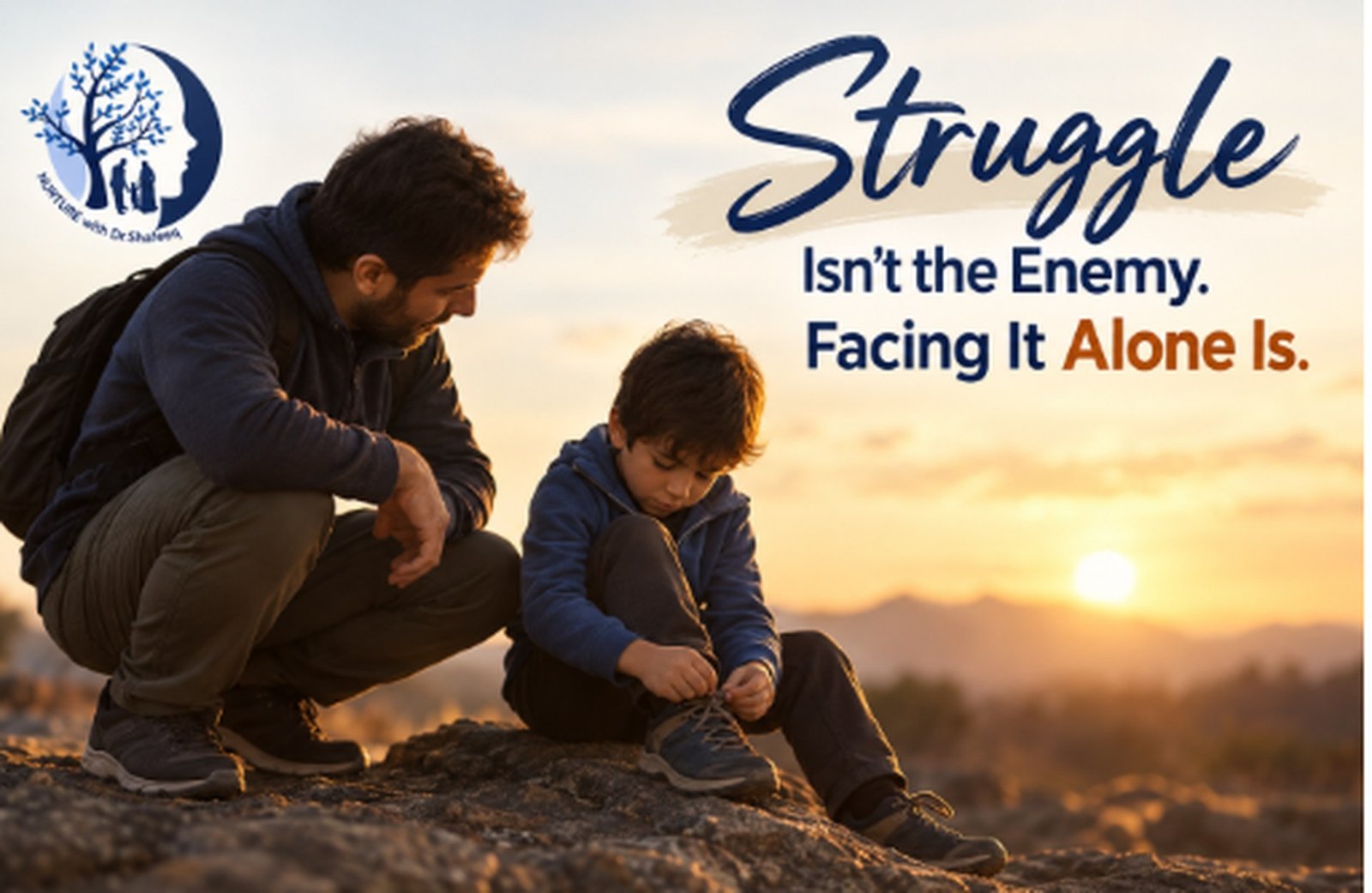
This frees us from labels. A child is not simply lazy, shy, or difficult. A child has habits, and we do not need to remake the whole child at once. We can choose one habit, such as saying “I can't do it” before even trying, and gently work on that alone.
He also held that good character grows best through pleasant association, not punishment. When a desired behavior is paired with warmth, praise, and a sense of success, it takes root. Fear may bring obedience for a while, but encouragement builds habits that last a lifetime.
Growing creative children
Finally, Overstreet challenged the idea that creativity belongs only to gifted children. It can be nurtured by breaking rigid routines, by treating sibling conflicts as chances to find new solutions, and by letting children learn through doing rather than only listening. A child who builds, experiments, and sometimes fails is a child whose mind is growing.
Three gifts we can give our children
Overstreet's ideas offer parents a simple map. First, capture their attention with warmth and movement, so they can act in the moment. Second, shape their habits patiently so that good behavior becomes who they are. Third, nurture their creativity, so they can one day shape their own world.
We do not raise good children by pushing harder or speaking louder. We raise them by understanding what holds their attention, what they truly want, and which small habits are quietly steering their lives.
The goal of parenting is not to control a child. It is to help a child become fully themselves.
www.drshafeeq.com| NurtureWithDrShafeeq

Dr. Shafeeq Ahmed S.M
Pediatrician, child psychologist, parenting coach, and career & life counsellor with over 20 years of experience. Read full bio →